
Why the pigeon problem worsens in summer, what mistakes to avoid when choosing deterrents, and how to solve it permanently with patented WonderPest devices made in Italy.
In this article:
- Why the pigeon problem is more serious in summer
- The hygiene problem of pigeons: concrete risks for people and structures
- Why plastic bollards fail when heated
- How to permanently remove pigeons with WonderPest
- The Tikol T choice
- FAQ on the pigeon problem in summer
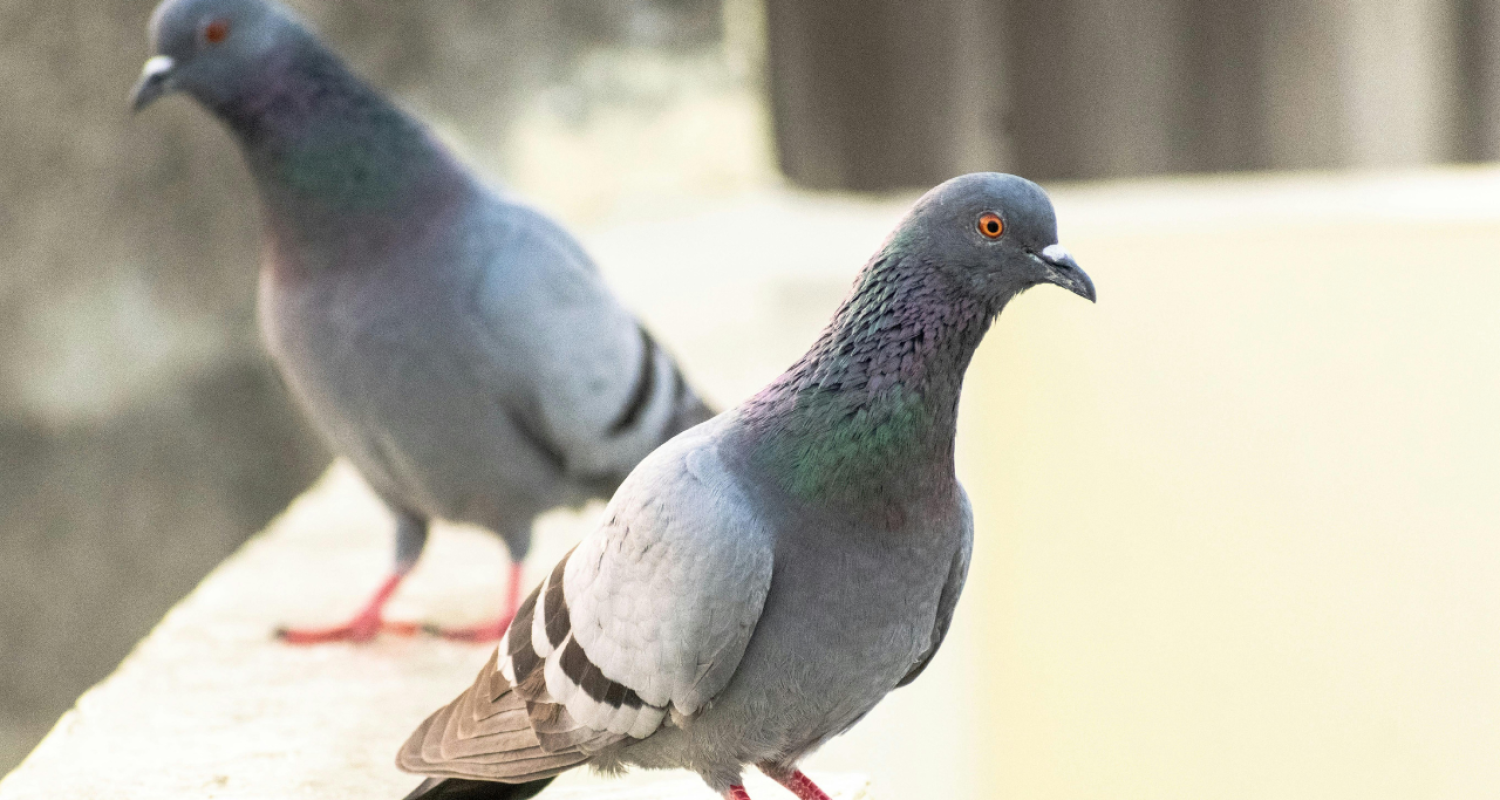
The pigeon problem in summer is n’t a perception: it’s a documented phenomenon. As temperatures rise, pigeons intensify their search for shade, water, and protected areas in which to nest. Balconies, eaves, gutters, flat roofs, and windowsills become favored destinations, with direct consequences on the quality of life, health, and the integrity of buildings.
Why the pigeon problem is more serious in summer
In summer, pigeons breed more actively and multiply their nesting cycles. A pair can produce up to six clutches a year, but in the warmer months, clutches are laid more quickly. This means more birds, more droppings, and a more stable presence in the protected areas.
In addition to nesting, the heat pushes birds to stay on the cool, shaded surfaces of buildings during the central hours of the day, precisely when human activity is greatest and the nuisance becomes unbearable.
The hygiene problem of pigeons: concrete risks for people and structures
The hygiene problem of pigeons goes far beyond mere aesthetic degradation. Their droppings contain uric acid, which attacks building materials such as stone, marble, concrete, and paint, significantly accelerating their deterioration. On roofs and gutters, the accumulation of guano clogs drains and promotes waterlogging.
From a health perspective, pigeon droppings can transmit up to 60 diseases transmissible to humans, including salmonellosis and histoplasmosis. The presence of resident birds is therefore a problem that must be addressed urgently and with truly effective tools, not postponed from season to season.
Why plastic bollards fail when heated
most common causes of summer bird control failure is the choice of standard plastic deterrents, untreated for prolonged exposure to the sun. Surface temperatures on roofs and eaves in summer can easily exceed 60-70 ° C, conditions that accelerate the stiffening and cracking of inexpensive polymer materials.
The result is that the deterrent loses its elasticity precisely during the months when bird populations are at their peak, nullifying the investment and requiring replacement. Added to this, in coastal environments, is the combined action of salt water, which further degrades materials not treated to resist chlorides.
How to permanently remove pigeons with WonderPest
To truly repel pigeons permanently, the supporting surface must be treated with a mechanical system capable of lasting over time and in the most challenging weather conditions. WonderPest devices are designed and manufactured in Italy with this precise objective in mind.
Tikol T is a work-hardened 301 stainless steel deterrent available in 15-meter rolls (widths T25 and T80). The choice of 301 stainless steel is significant: this material maintains its elasticity even at high temperatures, resists coastal saltiness, and is resistant to bird droppings. The elastic steel tips discourage pigeons from perching by creating an uncomfortable surface, without causing any physical harm. Field experience has shown that over time, birds not only fail to settle on the deterrent, but actually leave the protected area entirely.
Tikol T ‘s Choice
For flat or curved surfaces, even those subject to strong radiation, such as coastal eaves or industrial roofs, the steel Tikol T remains the most robust and durable choice. All WonderPest devices are tested according to European Directive 2001/95/EC and are protected by an international patent.
To learn more about the choice based on the installation context, you can consult the WonderPest product guide or the reference legislation on the protection of wild birds.
In summary
The pigeon problem in summer requires an immediate and lasting solution: choosing a deterrent suited to the material, exposure, and type of bird is the difference between a permanent solution and a costly expense every season. WonderPest offers patented, Made in Italy technology to solve the problem once and for all.
FAQ on the pigeon problem in summer
1. Why is the pigeon problem worse in summer than during the rest of the year?
The pigeon problem worsens in summer for two main reasons: the heat accelerates their reproductive cycles (a pair can produce more clutches in the warmer months) and pushes the birds to seek shaded areas to roost during the hottest hours of the day. The result is a more intense and continuous presence on building structures, resulting in increased droppings and deterioration.
2. What are the concrete health risks of the presence of pigeons on buildings?
The hygiene problem of pigeons is real and well-documented: their droppings contain uric acid, which damages stone, plaster, and paint, clogs gutters, and creates stagnant water. From a health perspective, pigeon droppings can carry up to 60 communicable diseases, including salmonellosis and histoplasmosis. For commercial, restaurant, or agri-food buildings, the presence of pest birds can also have direct regulatory consequences.
3. How can you keep pigeons away from your balcony or roof in summer?
To effectively and permanently repel pigeons, mechanical deterrents that make the surface uncomfortable or unstable are used, such as the elastic tips of Tikol T. The device acts without harming the bird, in compliance with Law 968/72. Unlike temporary remedies (nets, gels, spirals), they influence the birds’ behavior over time, causing them to permanently abandon the controlled area.
4. Why do plastic bollards break in the summer?
Standard plastic bollards are not designed to withstand the surface temperatures of roofs and eaves in summer, which can exceed 60-70 ° C. Heat accelerates the stiffening and cracking of the material, causing it to lose the elasticity needed to function. In coastal environments, salt air further exacerbates degradation. Tikol T’s 301 stainless steel was specifically selected to withstand these conditions.
5. Does Tikol T also work against seagulls and starlings, not just pigeons?
Thanks to the strength of work-hardened 301 stainless steel, Tikol T is sized to support the weight and aggressiveness of even the largest birds, such as seagulls. However, specific testing has not been performed, so we cannot be certain of its proper functioning on particularly large seagulls. However, Tikol T works well for starlings.
Contact us for a free consultation or more information.


